Public

The location is considered public and may be visited by anyone at any time.

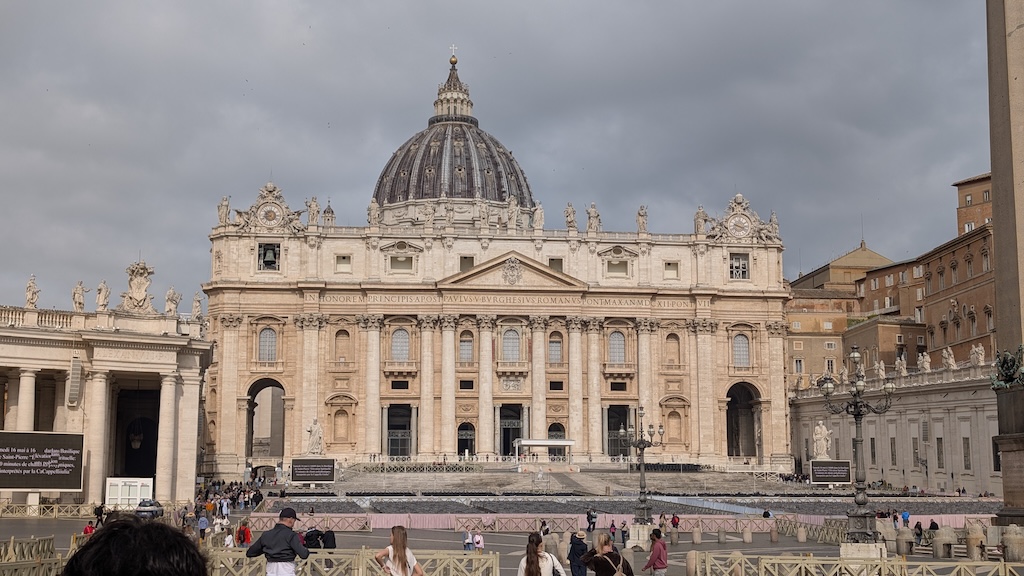
St. Peter’s Basilica is one of the most famous churches in the world and one of the central landmarks of Vatican City. It stands on a site that has been important to Christians for nearly two thousand years, because Catholic tradition holds that Saint Peter, one of Jesus’s apostles and the first bishop of Rome, was buried

Read More...

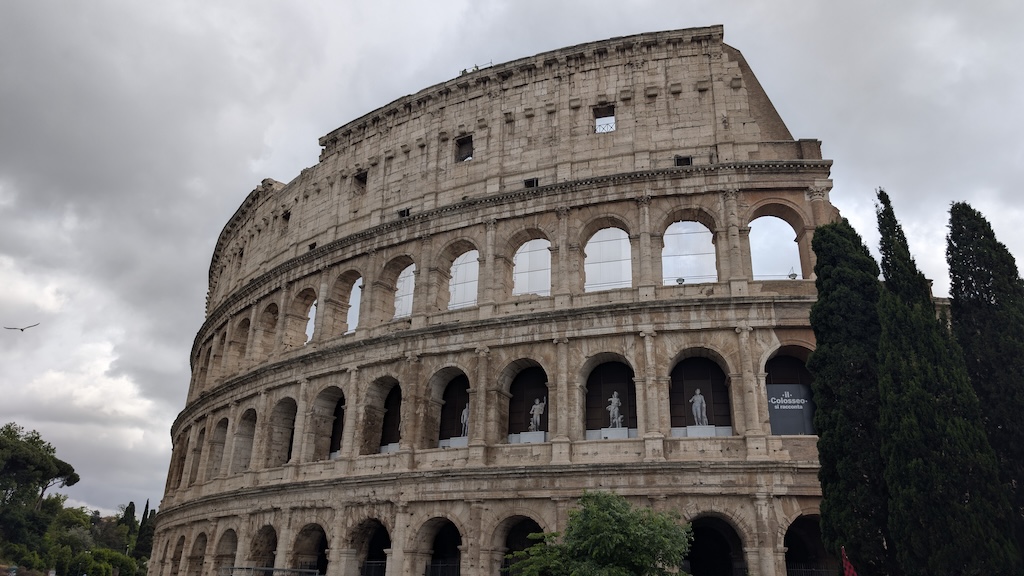
The Roman Colosseum, originally known as the Flavian Amphitheatre, is one of the most famous buildings of the ancient world. It stands in the heart of Rome and remains a powerful symbol of the Roman Empire. Construction began around AD 72 under Emperor Vespasian, founder of the Flavian dynasty, and was largely completed by his son Titus in AD 80. Later additions were made by Emperor Domitian, creating the vast structure we recognize today.

Read More...

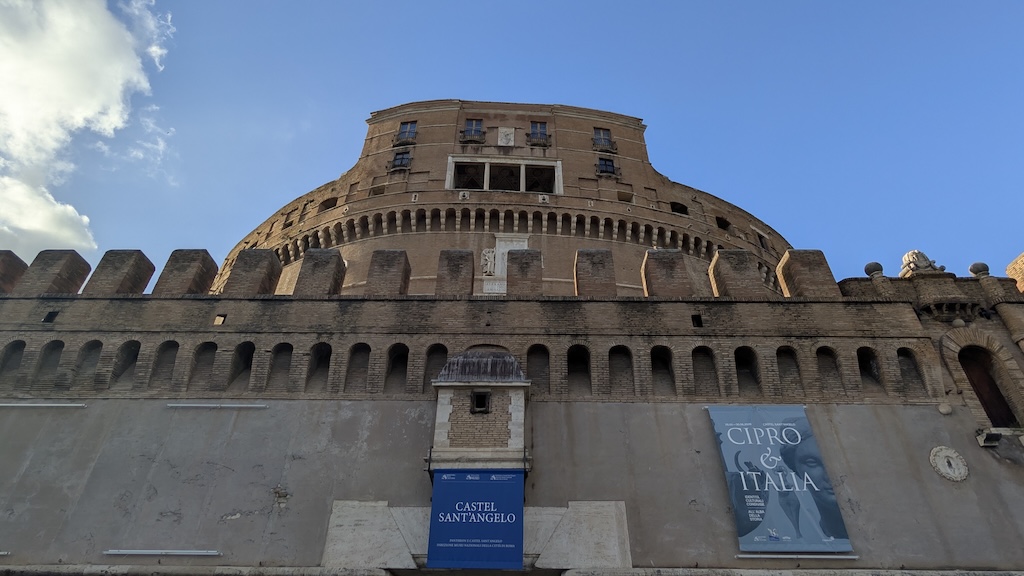
Castel Sant'Angelo is arguably the ultimate symbol of Rome's ability to reinvent itself, standing proudly on the banks of the Tiber River as a 2,000-year-old architectural shape-shifter. If you want to understand Roman history without flipping through endless textbooks, this single building tells the entire story.

Read More...

I boarded the boat with my equipment bag, excited for what was to come.  This fort had been on my list of "to-do's" for a very long time, and I was finally about to see it.  With our beluga whale escort across the mouth of the Churchill River, we arrived at the dock for our first look around.

Read More...

While driving home from a weekend in Belleville, we stopped at this fascinating little cemetary.  I had noticed it on our drive down, and made a mental note to stop on the way back for a closer look.  I'm happy I did.

Read More...

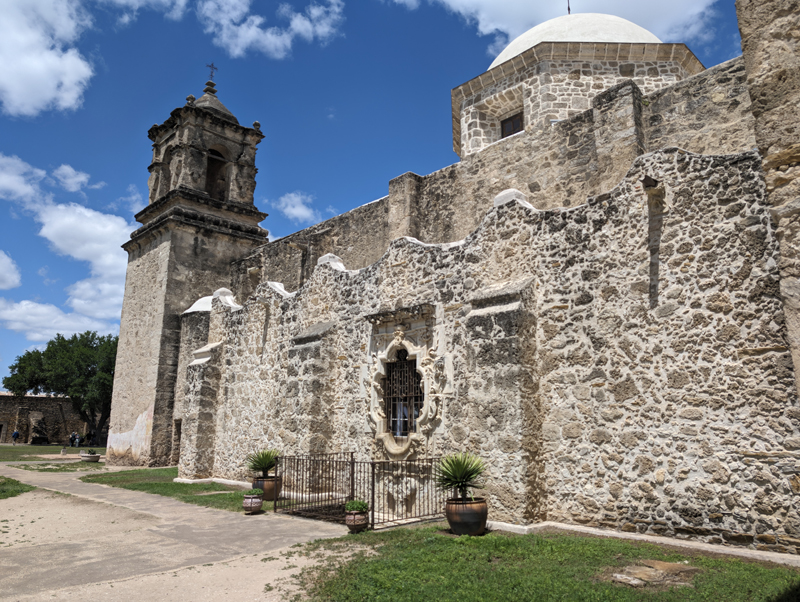
Mission San José y San Miguel de Aguayo, often referred to as the "Queen of the Missions," was founded on February 23, 1720, by Father Antonio Margil de Jesús.  The mission was established to serve the Coahuiltecan Natives and to relieve overcrowding at Mission San Antonio de Valero (now known as the Alamo). The mission was named in part for the Marquis de San Miguel de Aguayo, José de Azlor y Virto de Vera.

Read More...

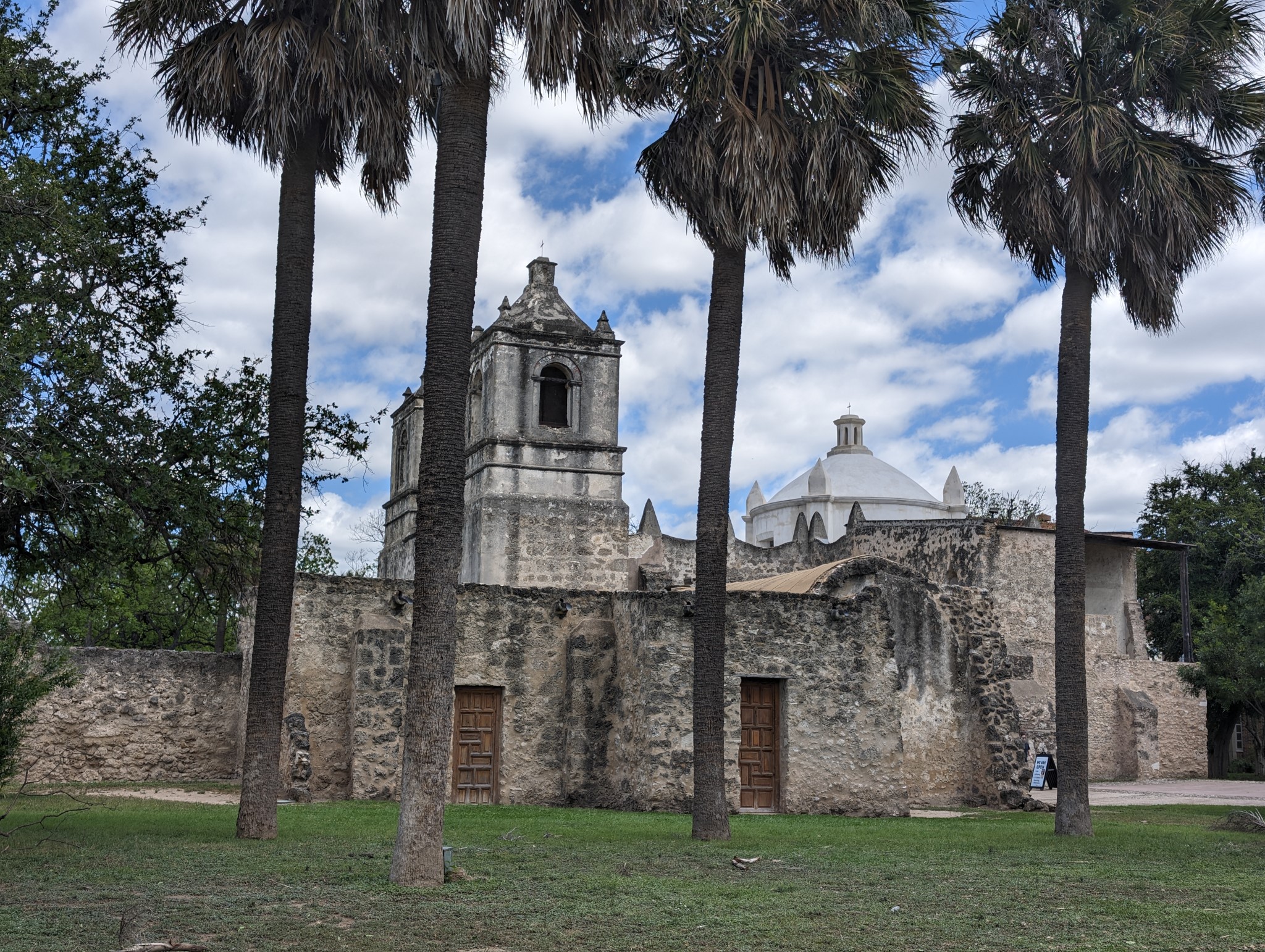
Mission Nuestra Señora de la Purísima Concepción de Acuña, commonly known as Mission Concepción, was originally established in 1716 in East Texas. It was one of six missions authorized by the Spanish government to serve as a buffer against French incursions from Louisiana.  The mission was developed by Spanish Franciscan friars with the goal of converting the local Indigenous communities to Christianity and teaching them European ways of life.

Read More...

Completing my short hike from Mission Espada, I arrived at the back gates of a mission that seemed much better restored.  Perhaps it was just much less damaged.  In either event, I also noticed there were significantly more tourists present.

Read More...

After a pleasant conversation, I got out of the Uber I had taken from my hotel in San Antonio.  It was a beautiful sunny day as I walked toward the crumbling walls of what I presumed must have been an impressive structure.  I had no idea what to expect as I'd never visited a Spanish Mission before.  Two days prior, I had walked some of the grounds of the Alamo, but the huge number of tourists, and lengthy lineup deterred me from actually entering.

As I entered the complex, the most noticable feature was, of course, the bare outlines of the former mission.  One could see where the outer walls once stood, and one got a vague sense as to how others must have lived along the inside of these walls, probably sharing in their protection.  I was struck by the relative quiet, and tiny number of tourists milling about the grounds.

Read More...

Image

St. Louis Cemetery No. 1, located in New Orleans, Louisiana, is the oldest and one of the most prominent cemeteries in the city. Established in 1789, it replaced the older St. Peter Cemetery, which was no longer in existence after the city was redesigned following a devastating fire in 17881. The cemetery is situated eight blocks from the Mississippi River, on the north side of Basin Street, just beyond the inland border of the French Quarter1. It has been in continuous use since its foundation, making it a significant historical site in New Orleans.

Read More...

Green Hosting Badge