Active

This location is still in use and should not be visited without permission.

Image

After two days of driving, experiencing the James Bay Road, and eventually falling asleep under the blanket of Northern Lights, I awoke Tuesday morning excited and raring to go. I was to meet Roger, my contact, at his business in Chisasibi, a First Nations community about 100 km west of Radision, QC.

Read More...

Image

As I drove to the Manitoulin Island community of Little Current, Ontario, luck was something that was foremost on my mind.  First, I knew I was lucky to get this opportunity.  Second, I would be extremely lucky if the forecast rain and potential thunderstorms held off until after I was finished.  Finally, my luck would hit the trifecta if a boat would present itself at just the right time.  If the last two elements came together as the first had, I would be a very happy person.

Read More...

Image

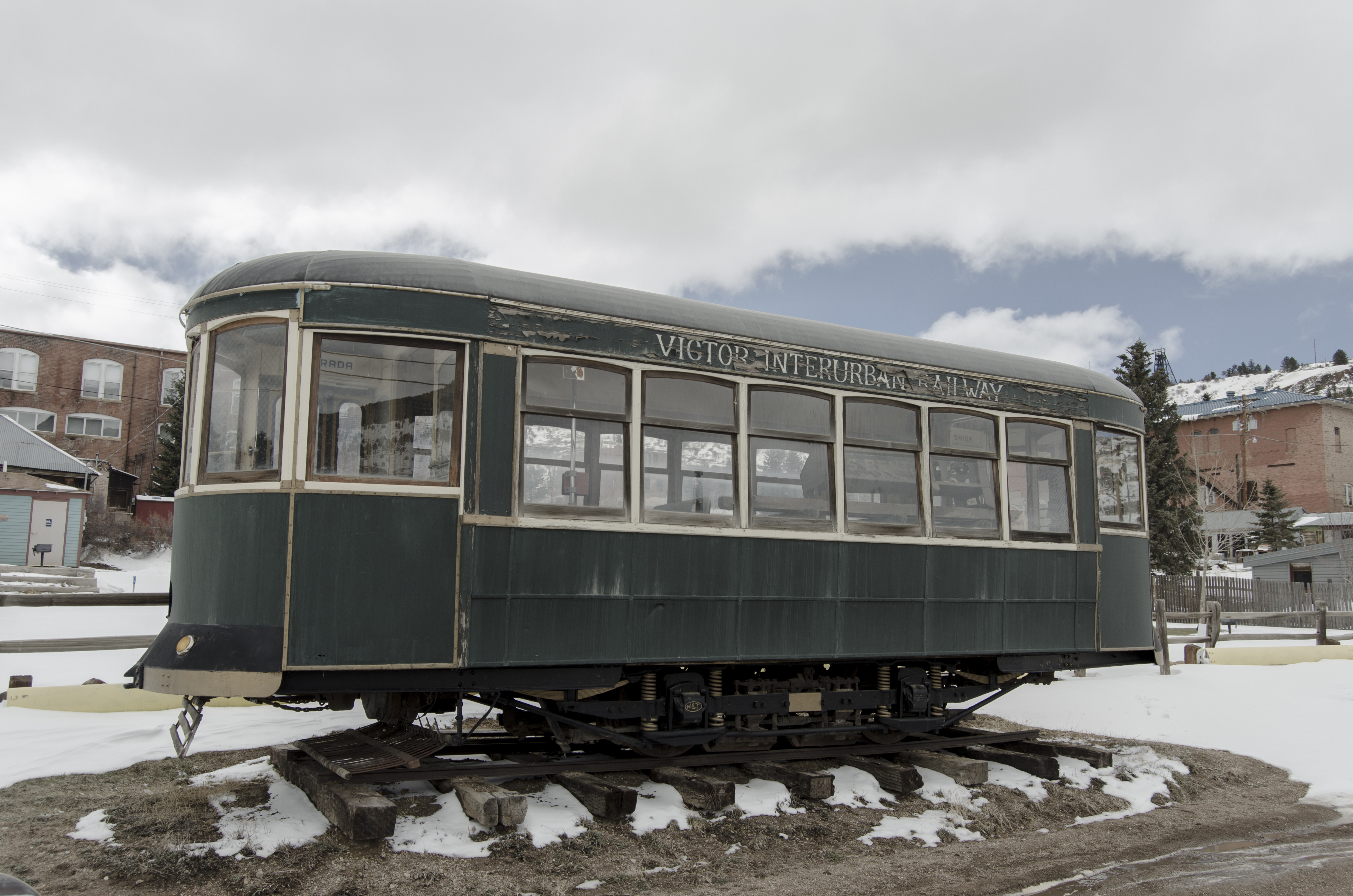
Established in 1894 by the Portland Town and Mineral Company, lots of land were sold, many for $25, to the employees of the various mines that opened in the surrounding area.  The town grew quickly, and houses continued to be built.  By 1900, the town's population was over 3,500, and it featured a fire department, running water from a reservoir, arc street lights and a "Pest House" for transients or people with contagious disease like TB.  Churches, schools and a City Hall also sprung up as new services continued to be provided to the growing population.  Even an electric streetcar system was established linking Goldfield to the towns of Independence and Victor nearby.

Read More...

Image

In the late 1880's, overcrowding at Minnesota's two main psychiatric facilities prompted the state to begin looking at the construction of a third. The legislature passed a bill allocating $24,280 for the purchase of 596 acres of land, and a further $70,000 for construction of the required buildings.

Read More...

Image

In 2001, this incredible, old church burned almost to the ground. The committee faced three choices. First, to place a monument on the location of the church and move on. Second, to build a new, more modern church. Third, and most expensively, to build the church as an exact replica of the original. Obviously from the pictures, they chose the third, and most difficult option.

Read More...

Image

Milnet, originally known as Sellwood Junction, began its journey in the early 20th century as a remote station and watering stop for the Canadian Northern Railway (CNoR, later CN). The railway line's arrival marked the beginning of an intense period of lumbering activity in the area. Shortly after the railway line opened, the lumber industry moved in, leading to the establishment of a sawmill on the shores of the Vermillion River. By 1917, the Marshay Lumber Company had bought and expanded the mill, adding a planning mill and transforming the area into a bustling company townsite with about 200 residents.

Read More...

Green Hosting Badge